

Menu
USCIS Fees Go Up October 16, 2026: What Asylum Seekers, TPS Holders, and Parolees Will Pay
USCIS Fees Go Up October 16, 2026: What Asylum Seekers, TPS Holders, and Parolees Will Pay
If you have a pending asylum case, hold Temporary Protected Status, or are planning to apply for a work permit or parole, the cost is about to change. USCIS has announced that several fees will increase for any filing postmarked on or after October 16, 2026. The increases are small in dollar terms, but sending the old amount after the deadline will get your application rejected, and a rejection can cost you far more than $10 in lost time.
What Is Changing
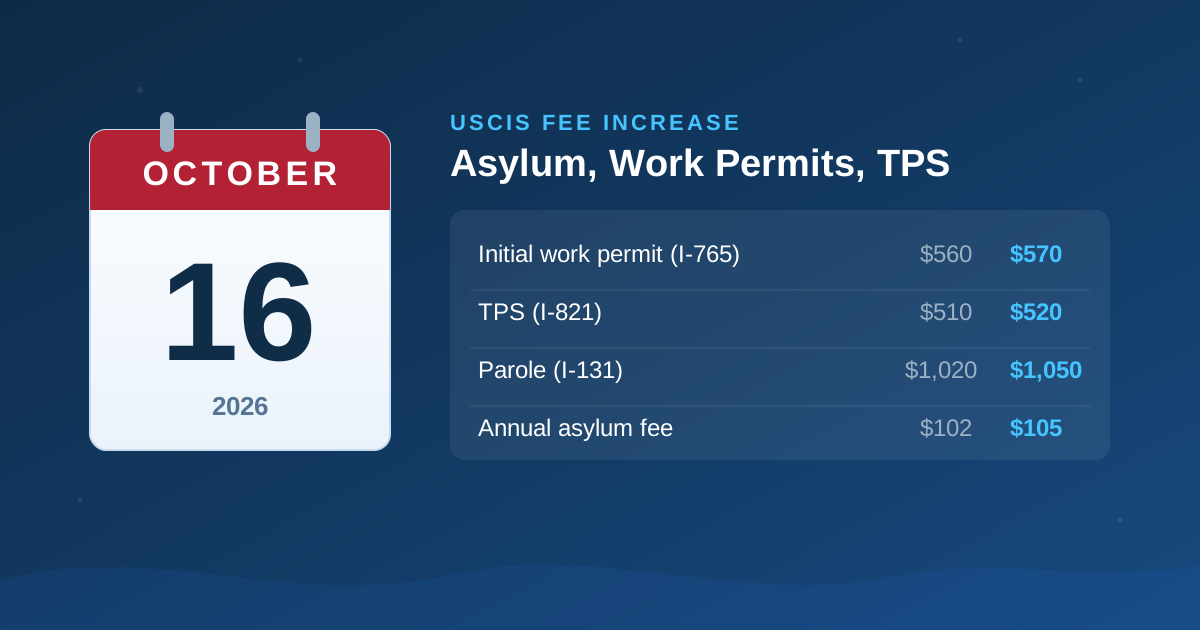
USCIS announced the following increases as part of its fiscal year 2027 inflation adjustment:
- Annual asylum fee (pending asylum applications): $102 → $105
- Form I-765, initial work permit for asylum applicants, parolees, and TPS: $560 → $570
- Form I-821, Temporary Protected Status: $510 → $520
- Form I-131, immigration parole fee: $1,020 → $1,050
A few things to know about these increases:
- These fees were created by the 2025 federal reconciliation law (H.R. 1), which requires USCIS to adjust them for inflation every year.
- This is the second annual adjustment. The first took effect January 1, 2026.
- Other common fees are not part of this change. Forms such as the I-130, I-485, and N-400 are not affected by this notice.
The Postmark Rule: Which Fee Do You Owe?
What matters is the postmark date, not the date USCIS receives or processes your filing.
- Postmarked before October 16, 2026: you pay the current fee.
- Postmarked on or after October 16, 2026: you must pay the new fee.
USCIS has stated that any request postmarked on or after October 16 without the correct fee will be rejected. A rejected filing is returned to you as if it had never been filed. For a work permit or TPS application, that can mean a gap in your ability to work. For an asylum case, a missed annual fee can put the case itself at risk.
Who Should Pay Attention Right Now
- Asylum applicants with a pending case, who now owe the annual asylum fee each year the case remains pending.
- Asylum applicants, parolees, and TPS holders applying for their first work permit.
- TPS holders preparing to register or re-register, especially if a re-registration period for your country is open now.
- Anyone requesting parole using Form I-131.
- Anyone with an application already prepared but not yet mailed. If it can be mailed with the correct current fee before October 16, it should be.
What to Do Before You File
- Check the fee on the USCIS fee schedule (Form G-1055) the day you file. Fees have changed several times this year, and an outdated instruction sheet is the most common cause of a fee rejection.
- If you are mailing close to the deadline, get proof of the postmark date, such as a certified mail receipt or courier tracking.
- Do not round or estimate. USCIS requires the exact amount. Sending too little leads to rejection, and sending one combined payment for the wrong total can cause the whole package to be returned.
- Watch for your annual asylum fee notice. If your asylum application has been pending for a year or more, keep an eye on USCIS mail and your online account so you do not miss the payment.
Why Work With an Immigration Attorney
Fee changes look like a small administrative detail, but a rejected filing can cost you weeks or months, lapse your work authorization, or leave a gap in your status. At Ragheb Law, we check every filing against the current fee schedule before it goes out, and we track deadlines like this one so our clients do not have to.
Filing for Asylum, TPS, or a Work Permit?
If you have an application ready to go, or you are not sure which fee applies to your case, contact our office before October 16. We can review your filing, confirm the correct fee, and help get it submitted on time.
Tags
- USCIS Fee Increase 2026
- Asylum Fees
- Work Permit (EAD) Fees
- TPS Fees
- Parole Fees
- Tampa Immigration Lawyer