

Menu
What Is DACA and Who Qualifies for It?
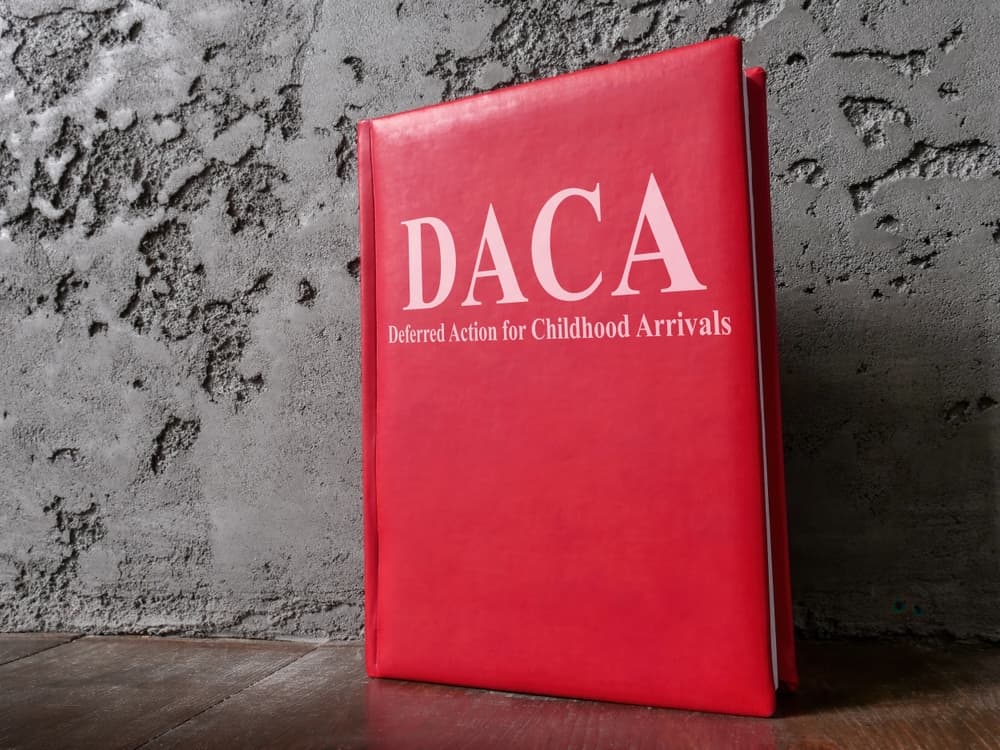
Understanding DACA: More Than Just an Acronym
Deferred Action for Childhood Arrivals (DACA) is a U.S. immigration policy that allows certain individuals who were brought to the country as children to receive a renewable two-year period of protection from deportation. While the program has offered hope and stability to hundreds of thousands of "Dreamers," its future remains a subject of intense legal debate in 2026.
- Deferred Action: A temporary reprieve where the government pauses deportation efforts.
- Work Authorization: Recipients are eligible for a work permit (EAD) to work legally in the U.S.
- Temporary Nature: DACA is not a path to a Green Card or citizenship; it is a temporary shield that must be renewed every two years.
The Original DACA Requirements: Who Was Eligible?
To qualify for DACA, an individual must meet strict criteria established to focus on those who grew up in the United States. These requirements include:
- Age: You were under 31 as of June 15, 2012.
- Arrival: You came to the U.S. before your 16th birthday.
- Residency: You have lived continuously in the U.S. since June 15, 2007.
- Education: You are currently in school, have graduated high school/GED, or are an honorably discharged veteran.
- Background: You have not been convicted of a felony or a "significant" misdemeanor.
The Current State of DACA in 2026
The legal landscape has shifted significantly following the Fifth Circuit Court of Appeals rulings in 2025. As we enter 2026, the program is divided into two categories:
| Applicant Type | Status as of January 2026 | | :--- | :--- | | Current Recipients | Can continue to renew their status and work permits every two years. | | First-Time Applicants | USCIS may accept applications but is prohibited from processing or granting them. | | Expired DACA (>1 Year) | Treated as an "initial" application; currently cannot be processed. |
Note on 2026 Fees: As of January 1, 2026, USCIS has implemented inflationary fee adjustments. DACA renewals now cost $555 for online filings and $605 for paper filings.
The Benefits of DACA
Despite the uncertainty, the program provides tangible tools that allow recipients to build lives in the U.S.:
- Protection from Deportation: Live with less fear of family separation.
- Social Security Number: Access to bank accounts, credit building, and driver's licenses.
- Economic Contribution: The ability to hold professional careers and pay into the tax system.
Tags
- Dreamers
- DACA Eligibility
- Work Permits
- Immigration Reform 2026
Follow Us
Would you like me to create a detailed Renewal Checklist specifically for current DACA recipients to help them prepare their 2026 filings?