

Menu
Can My Citizenship Be Taken Away After I Get It?
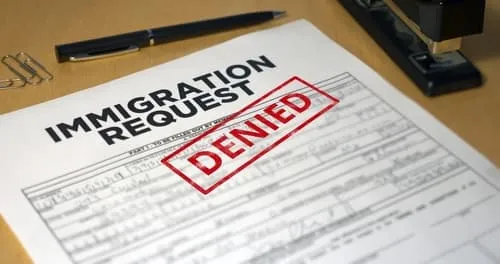
Can My Citizenship Be Taken Away After I Get It?
Becoming a U.S. citizen is often a long and hard-earned achievement, representing years of residency, paperwork, and commitment to American values. But once you’ve become a naturalized citizen, is your citizenship truly permanent? The answer is yes, but with exceptions. While most naturalized citizens retain their U.S. citizenship for life, there are certain rare circumstances in which the U.S. government can revoke or strip you of citizenship—a process known as denaturalization.
If your citizenship is under threat, you need to seek help from an experienced Tampa immigration lawyer who can fight for your legal rights. You are entitled to due process and can fight the government in court if necessary. A judge will make the final decision about whether you can keep your citizenship.
What Is Denaturalization?
Denaturalization is the legal process by which the U.S. government revokes someone’s citizenship after it has already been granted. This applies only to naturalized citizens, not individuals born in the U.S. or acquired citizenship through birth abroad to U.S. citizen parents.
It’s important to note that denaturalization is very rare and reserved for specific cases, especially those involving fraud, criminal activity, or threats to national security. Otherwise, you do not need to worry about your citizenship.
Who Can Be Stripped of Citizenship?
Only naturalized U.S. citizens—those who were not born U.S. citizens but obtained citizenship through the naturalization process—can have their citizenship revoked. Individuals who acquire citizenship by birth, either on U.S. soil or through U.S. citizen parents, are not subject to denaturalization. However, their citizenship can be questioned if it was mistakenly granted (such as due to fraudulent documents used to establish birthright citizenship).
Grounds for Denaturalization
There are four main legal grounds under which the U.S. government can pursue denaturalization:
Illegal Procurement of Citizenship
This occurs when someone becomes a U.S. citizen but was never actually eligible to naturalize in the first place. For example:
- You did not meet the residency or physical presence requirements.
- You failed to take the Oath of Allegiance properly.
- You did not have lawful permanent resident (green card) status.
- You naturalized despite a criminal conviction that disqualified you.
If any of these conditions apply, the naturalization can be ruled invalid from the start.
Concealment of a Material Fact or Willful Misrepresentation
This is the most common ground for denaturalization. Your citizenship could be revoked if you intentionally lied or omitted important information during your naturalization process. Examples include:
- Failing to disclose a criminal history or immigration violations.
- Using a false identity or forged documents.
- Hiding affiliations with extremist or terrorist groups.
- Omitting past deportation orders or illegal entry.
To succeed in court, the government must show that the lie or omission was material—meaning it influenced the approval of your citizenship.
Membership in Certain Organizations Within Five Years
If you become a U.S. citizen and then, within five years, join or affiliate with a group that advocates the overthrow of the U.S. government by force or violence, this can be grounds for denaturalization. The U.S. government may argue that your naturalization was not in “good moral character.”
Examples include:
- Joining a terrorist organization.
- Participating in insurrectionist activity.
- Supporting violent anti-government groups.
Dishonorable Military Discharge
If you received your citizenship based on U.S. military service and are later dishonorably discharged before completing five years of honorable service, the government can revoke your citizenship.
How Does the Denaturalization Process Work?
Denaturalization is a civil legal proceeding, not a criminal trial (although criminal charges may be pursued separately). The U.S. Department of Justice (DOJ), often through its Office of Immigration Litigation, files a lawsuit in federal court.
Here is a general outline of the process:
- Investigation – USCIS or ICE investigates claims of fraud or other violations.
- Complaint Filed – The DOJ files a civil complaint in federal court.
- Trial – The case goes to trial, and the government must prove its claims by “clear, convincing, and unequivocal evidence.”
- Judgment – If the judge rules in favor of the government, your citizenship is revoked.
- Removal Proceedings – Once denaturalized, you revert to your prior immigration status (e.g., green card holder or undocumented), which may result in deportation.
You have the right to defend yourself in court, appeal the decision, and be represented by an attorney throughout the process.
What Happens After Denaturalization?
If your citizenship is revoked:
- You lose all rights and privileges of U.S. citizenship, including voting and having a U.S. passport.
- You may be placed in removal (deportation) proceedings if you do not have another lawful immigration status.
- Your family’s immigration status can be affected, especially if their green cards or naturalization are tied to yours.
- Any government benefits or employment based on your citizenship may be terminated.
In rare cases, denaturalized individuals have regained lawful permanent resident status, but most face removal unless they have another form of legal relief available.
How an Immigration Attorney Can Help You Fight Your Citizenship Being Taken Away
If you’re facing the possibility of having your U.S. citizenship revoked, an experienced immigration attorney is essential to protect your rights. Citizenship revocation, or denaturalization, is a complex legal process involving serious allegations like fraud or misrepresentation. An immigration lawyer can carefully review your naturalization records, identify potential weaknesses in the government’s case, and develop a strong defense strategy tailored to your situation.
Your attorney will represent you in court, challenging any false or misleading claims and ensuring that the government meets its high burden of proof. They can also negotiate on your behalf to explore alternatives, such as settlement agreements or immigration relief options if citizenship is lost.
Additionally, an immigration lawyer provides critical guidance throughout the process, helping you understand your rights and options and reducing the stress of legal proceedings. If your citizenship is at risk, don’t face it alone—seek legal help immediately to safeguard your future. Seek a consultation with an immigration attorney in your area as soon as possible.
Tags
- Denaturalization
- Citizenship
- Immigration Law
- Revocation of Citizenship
- Fraud
- Legal Defense